
Grid-tie inverter
A grid-tie inverter converts direct current (DC) into an alternating current (AC) suitable for injecting into an electrical power grid, at the same voltage and frequency of that power grid.
Ver detalles
A grid-tie inverter converts direct current (DC) into an alternating current (AC) suitable for injecting into an electrical power grid, at the same voltage and frequency of that power grid.
Ver detalles
The control design of this type of inverter may be challenging as several algorithms are required to run the inverter. This reference design uses the C2000 microcontroller (MCU) family of devices to
Ver detalles
This note shows a possible control for a grid-tied back-to-back three-phase converter with active damping of an LCL filter.
Ver detalles
This study focuses on a consumer interface unit: a low-voltage (LV) back-to-back (B2B) converter that integrates photovoltaic (PV) generation, battery storage, and possibly other DC
Ver detalles
SolarEdge back up system to connect to SolarEdge inverters and provide the option of Back Up when the grid supply is interrupted.
Ver detalles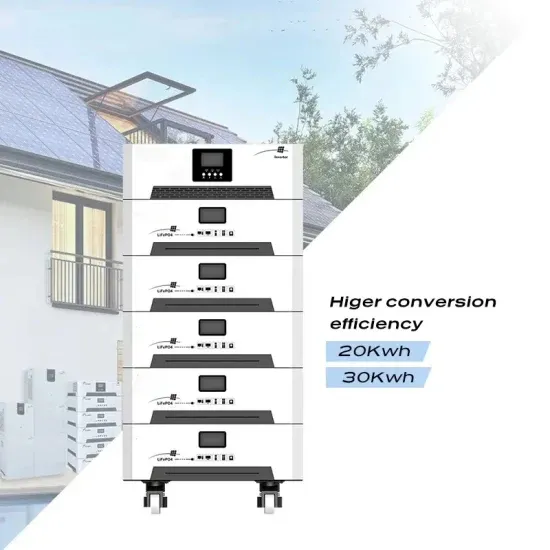
In this paper, the role of SS is replaced by a SiC-based three-phase back-to-back (BTB) inverter system for seamless switching between grid-connected and standalone modes through advanced power flow
Ver detalles
Inverters in back to back (B2B) connection are utilized to convert the voltage and frequency of the power source to another format. Typical application of inver.
Ver detalles
An HVDC Light® back-to-back station consists of two converters located in the same building. An HVDC back-to-back station can be used to create an asynchronous interconnection between two AC
Ver detalles
The basic principle of operation of an HVDC linking system is based on the conversion of AC to DC and vice-versa by means of Rectifier and Inverter as shown in figure below.
Ver detallesLa versión PDF incluye el artículo completo con referencias de origen. Adecuado para imprimir y leer sin conexión.